Vaiden flagship · Counter-UAS

Passive acoustic
UAS detection.

Strix detects, classifies, and helps localize small drones purely by sound, including fiber-optic, autonomous, and FPV units that emit no RF and stay invisible to radar and radio scanners.

A self-healing mesh of solar-powered sensor nodes from ~$50, with on-device machine learning and a handheld field terminal. Fully offline, RF-silent, deployable by hand or carrier drone.

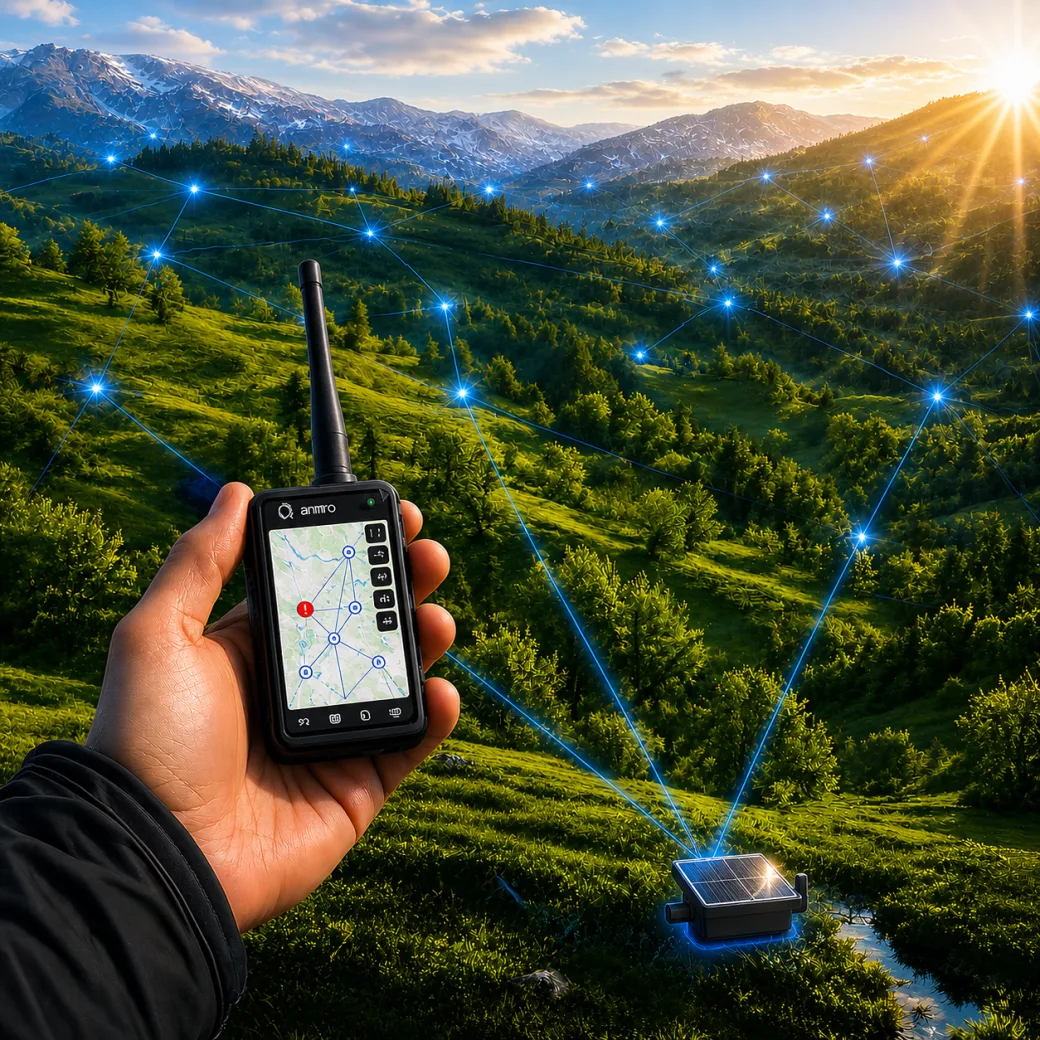
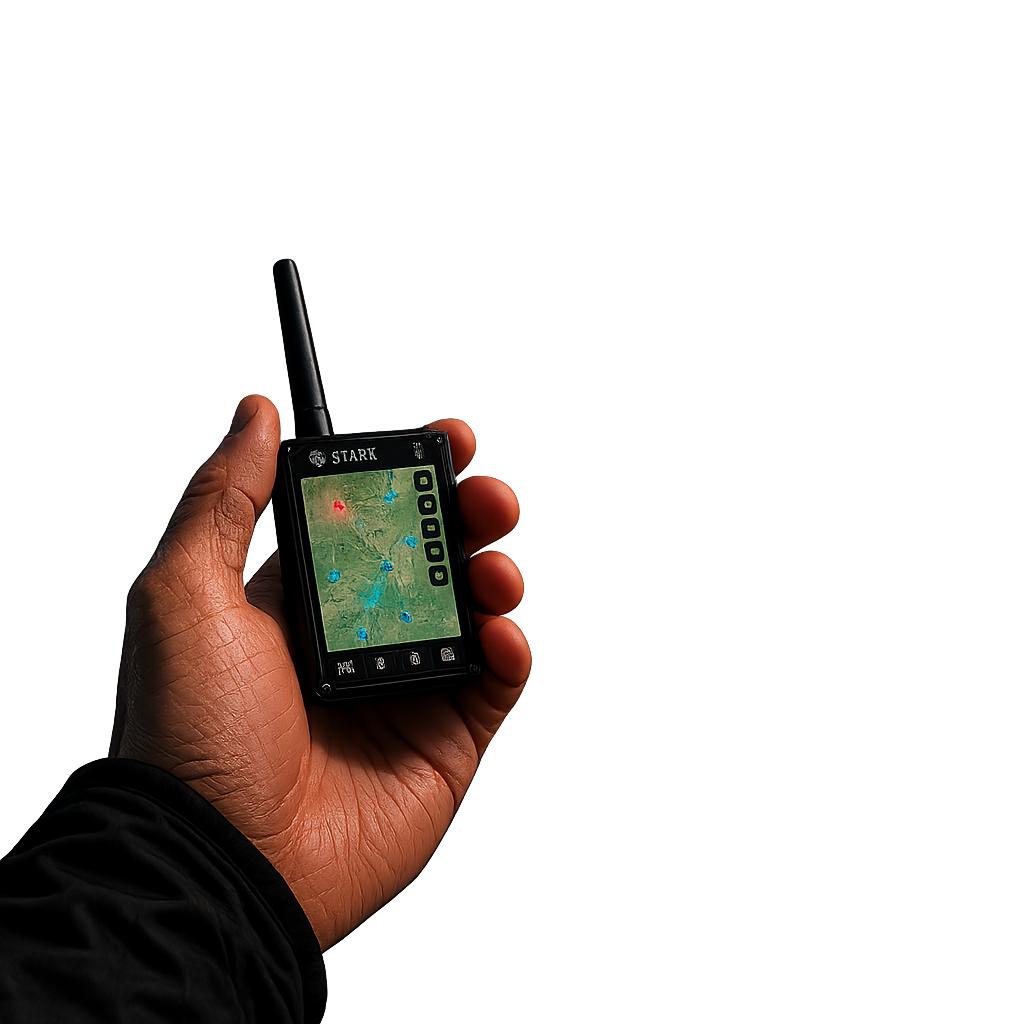
Strix handheld field terminal showing mesh network over mountain terrain at night
50–200 m
Acoustic range
~$50
Per node
~150 g
Field-ready
Live map
Field terminal
2–10 km
Mesh range
~7–10 mA
Draw
Why this matters

The threat RF defenses cannot see

Small FPV and fiber-optic drones have become the dominant threat in modern conflict zones. Fiber-optic drones are immune to RF jamming and invisible to RF detectors, eliminating the two most common countermeasures. Acoustic detection is one of the only viable remaining defenses.

A gap in coverage

Western counter-drone systems cost $5K–$50K+ per unit, require connectivity, and are designed for fixed installations. Forward units, mobile positions, and resource-constrained organizations have had no affordable, autonomous, infrastructure-free warning system.

Strix is a direct answer to fiber-optic drones, which are immune to jamming and invisible to RF detectors, yet have become a dominant battlefield threat.

System overview

Each node listens continuously via dual MEMS microphones and runs on-device signal processing and ML classification to distinguish drone motor signatures from environmental noise. On detection, the node forwards an encrypted alert across the mesh to all connected devices within seconds, fully offline, with no cloud, server, or phone required.

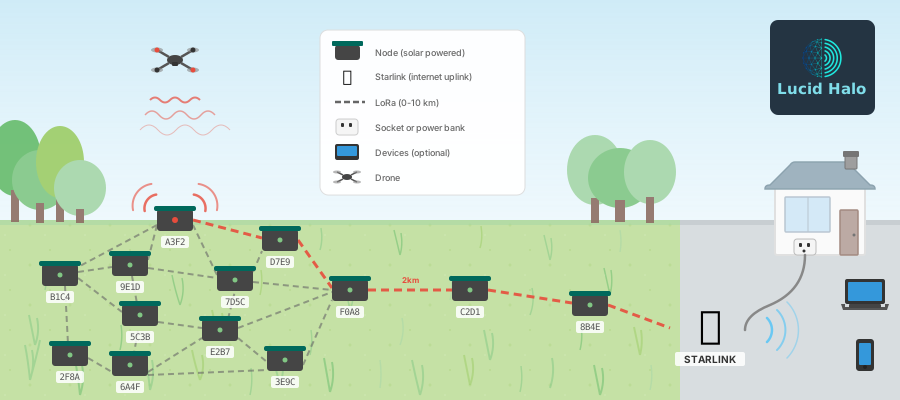
When an internet path is available, any node can forward data to a remote dashboard, without changing how it operates in the field.

Key advantages

Built for denied, contested environments

Ultra low cost

~$50 per node depending on configuration, using COTS components. Expendable by design, enabling deploy-and-forget tactics in denied areas.

Lightweight & compact

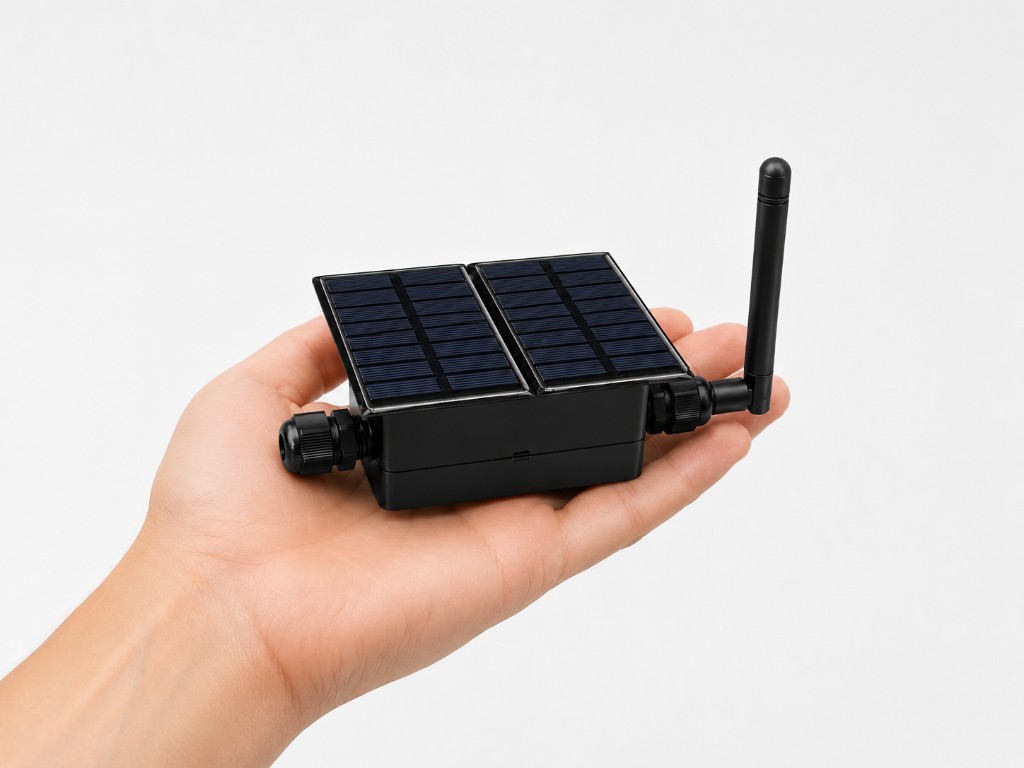
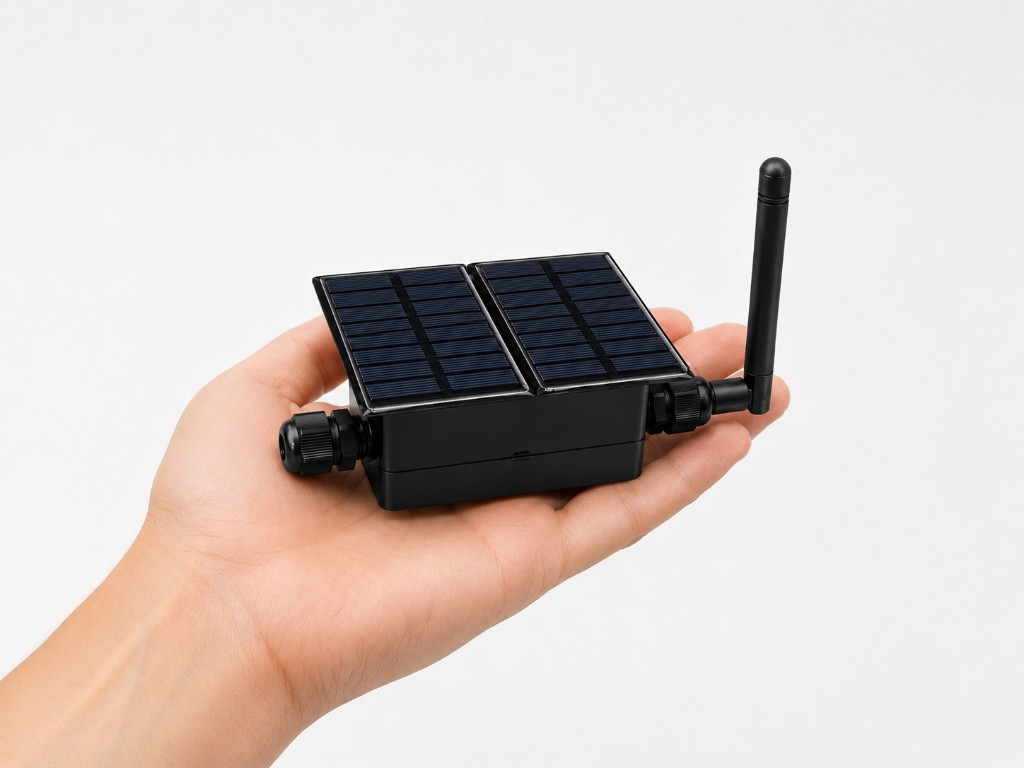
Each node weighs ~150 g field-ready and fits in the palm of your hand. The IP65 weatherproof enclosure is roughly ~10 cm square.

Solar powered

Indefinite autonomous operation with 1–2 W solar and dual 3000 mAh batteries. Up to ~6 weeks battery-only in calm conditions. No cables to run.

RF-silent detection

Pure acoustic detection works against drones RF detectors cannot see: fiber-optic controlled, autonomous waypoint, and low-emission FPV units.

No internet required

The whole system operates offline over a long-range mesh. No cellular, no WiFi infrastructure, no cloud. Internet is optional for remote monitoring, never required to detect or alert.

Passive & concealable

Emits no RF while detecting, so it cannot be located by drones scanning for emissions. At ~10 cm square, nodes hide easily in vegetation or debris.

How it works

Detection that runs on the device

Two digital microphones pick up the sound of drone motors and propellers. On-device signal processing and machine learning separate that signature from wind, vehicles, and other background noise, in real time, with under 500 ms from sound to alert.

Everything runs locally on a small, low-power processor. There is no cloud, no server, and no audio leaves the node, so each unit stays inexpensive, runs for a long time on a small battery, and fits in the palm of your hand.
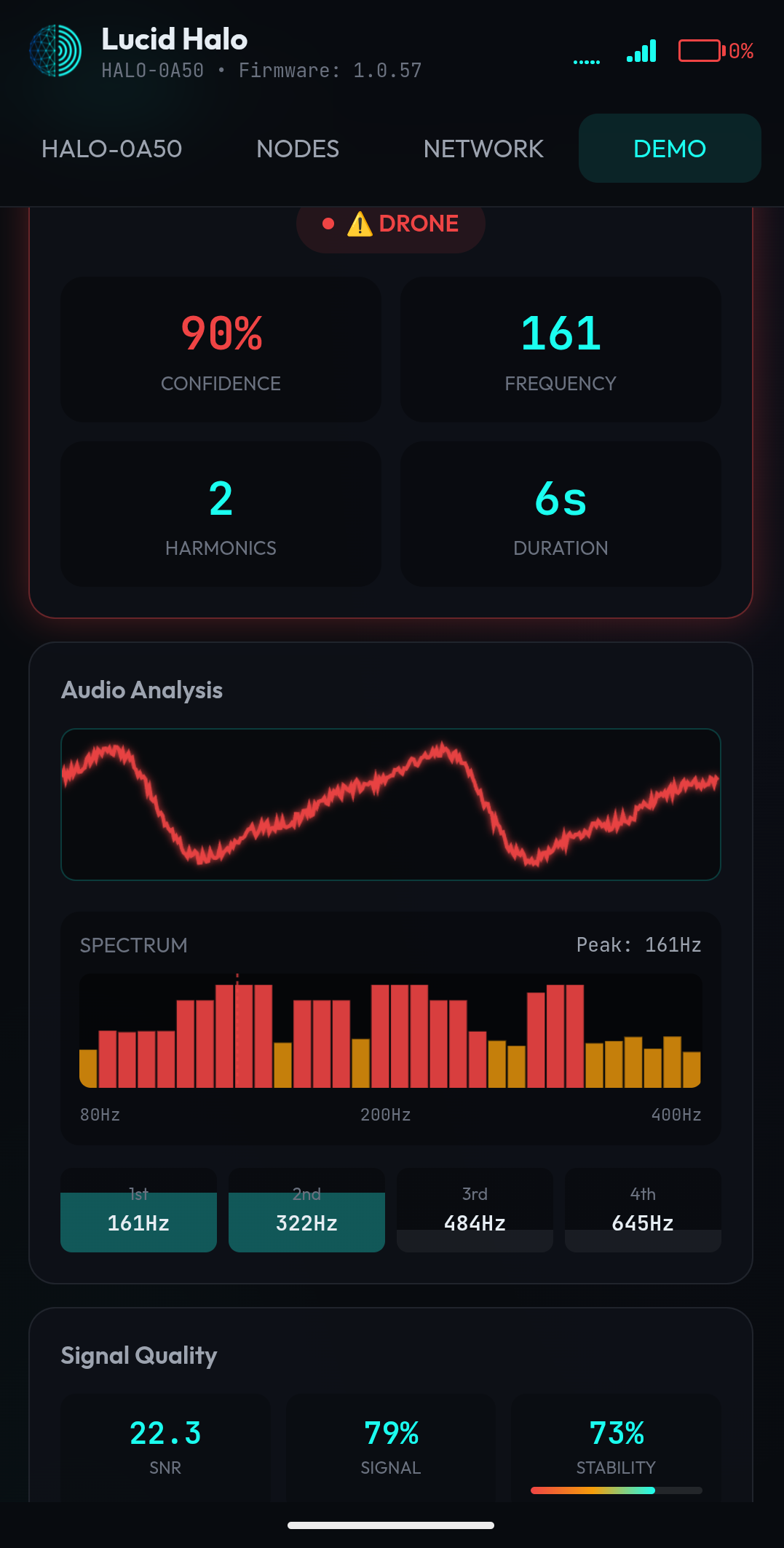
Dashboard showing a drone detection
Web dashboard, live detection
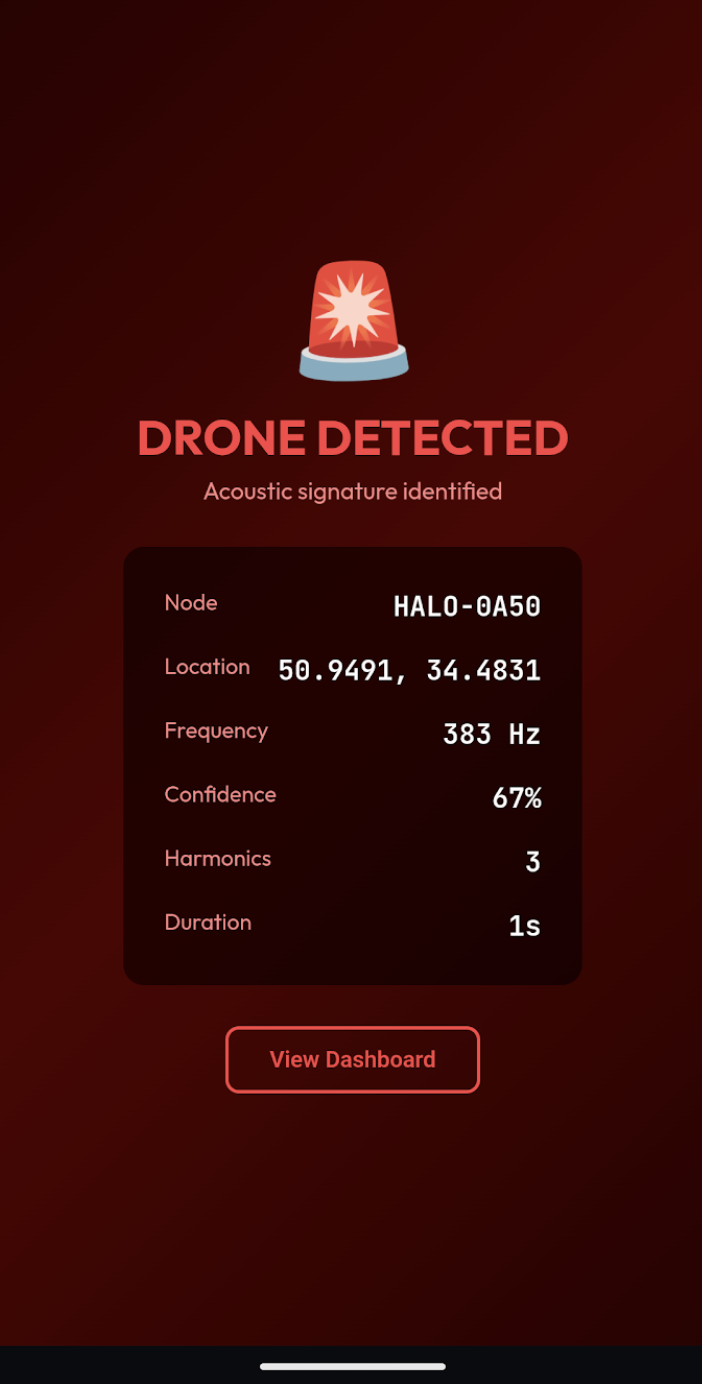
Drone detection alert
Real-time threat alert
Performance

Realistic, modeled range

Estimated from acoustic propagation modeling and microphone sensitivity analysis. Actual detection range varies with drone size, environment, and ambient noise.

Acoustic detection range (theoretical)

EnvironmentGroup 1Group 2Spacing
Quiet field100–200 m300–500 m150–800 m
Rural50–120 m200–400 m80–600 m
Suburban20–60 m100–200 m30–300 m
Combat zone5–25 m40–120 m8–150 m

Alert transmission range

EnvironmentRange10 km alert
Line-of-sight2–10 km<1 s (1 hop)
Rural2–8 km<1 s (2 hops)
Urban1–3 km~1 s (5 hops)
Forest0.5–2 km~2 s (7 hops)
Detection vs. communication: acoustic detection (50–200 m) is much shorter than mesh radio range (2–10 km). Place sensor nodes close enough for detection coverage; radio links span kilometers between them. A drone detected by one node triggers alerts on every connected device within seconds.
The network

Two device types, one mesh

Node device
Node
Field Terminal
Field Terminal

Nodes

Solar-powered sensors with omnidirectional acoustic detection. Deploy around a perimeter; they operate autonomously and share detections across the mesh.

Field Terminal

Handheld tactical display with TFT touchscreen, GPS, and extended-range antenna. Shows a live map of all nodes and threat alerts, ideal for mobile command or patrol.

Product line

ProductRoleCostDescription
Sensor NodeDetect~$50Solar-powered, dual microphones. Deploys around a perimeter, operates autonomously, shares detections across the mesh.
Field TerminalCommand & comms~$100Handheld tactical display with touchscreen and extended-range antenna: real-time map with node positions and alerts, plus encrypted messaging and position-sharing between teams, independent of cellular or internet.
Use cases

Fixed sites and moving convoys

Fixed area protection mesh layout
Fixed area protection: nodes ring a checkpoint, observation post, or facility and forward alerts to a central indoor monitoring point.
Mobile convoy protection layout
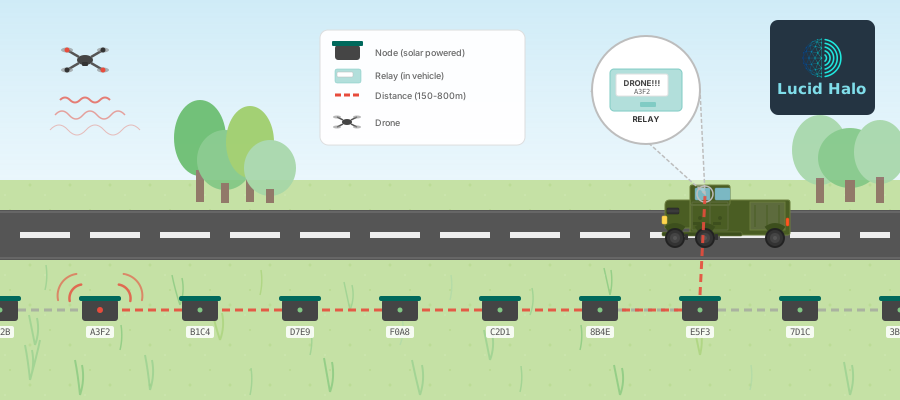
Mobile convoy protection: nodes pre-positioned along a route forward alerts to a vehicle-mounted unit for early warning of drone activity ahead.
Node spacing for convoys: place nodes 150–800 m apart for continuous detection coverage. The mesh radio communicates over kilometers, but acoustic detection only reaches 50–200 m.
Security & resilience

Designed for hostile conditions

For environments where adversaries may intercept, jam, or capture devices.

Encryption & identity

LayerProtection
Flash storageHardware-encrypted, keys burned into silicon
Device identityPer-device cryptographic keypair; tracked in registry
Mesh messagesEncrypted with message authentication
Private keysHardware-isolated, cannot be read back

Anti-jamming & resilience

TechniqueBenefit
Mesh re-routingAlerts auto-route around jammed or destroyed nodes
Spread spectrumChirp modulation resists narrowband interference
DecentralizedNo single point of failure
Passive detectionNo RF emissions, invisible to scanners
Air-gapped operation: no cloud servers or cellular required. Firmware updates run locally via USB or over the mesh; detection and alerts work entirely offline. If a device is captured, flash encryption prevents firmware extraction and the mesh can be re-keyed to exclude compromised units.
Status

Field-proven, built end-to-end in-house

Working prototypes have been validated with operational data from active conflict zones and refined through continuous operator feedback. The full system (signal-processing pipeline, ML classification, mesh networking, hardware integration, dashboard, and encryption layer) has been designed and built end-to-end in-house.

Initial deployments focus on field validation in active conflict zones, with direct feedback from soldiers operating the system under real conditions.

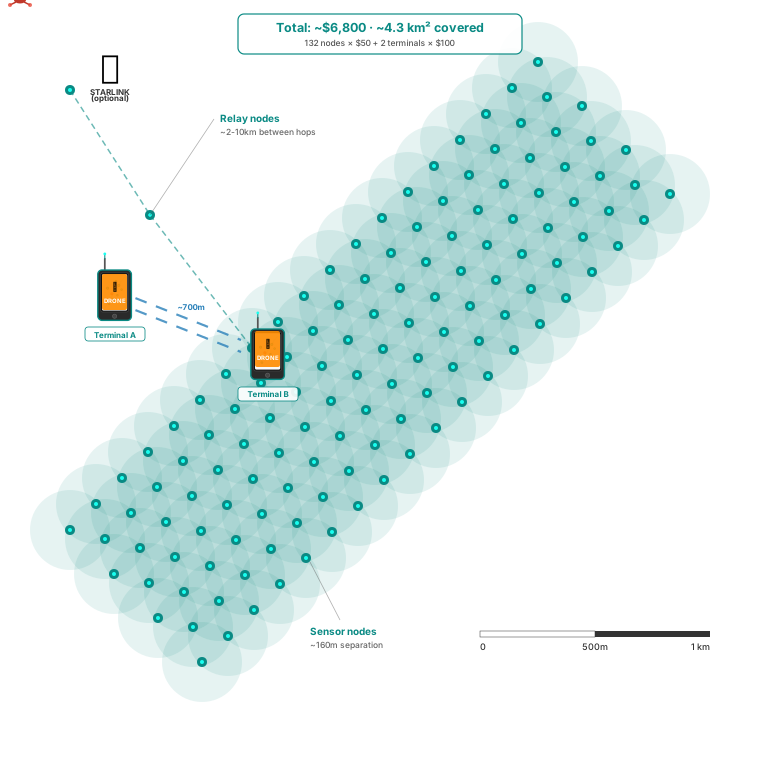
Strix mesh deployment scenario across contested terrain
Distributed mesh deployment across contested terrain: sensor nodes and a field terminal sharing detections without internet
Vaiden Labs

Interested in Strix?

Get system details, deployment guidance, or discuss a custom configuration with us.

Contact Vaiden